Choosing the Right Contractor for Hurricane and Wind Damage Roof Repairs
April 24, 2026
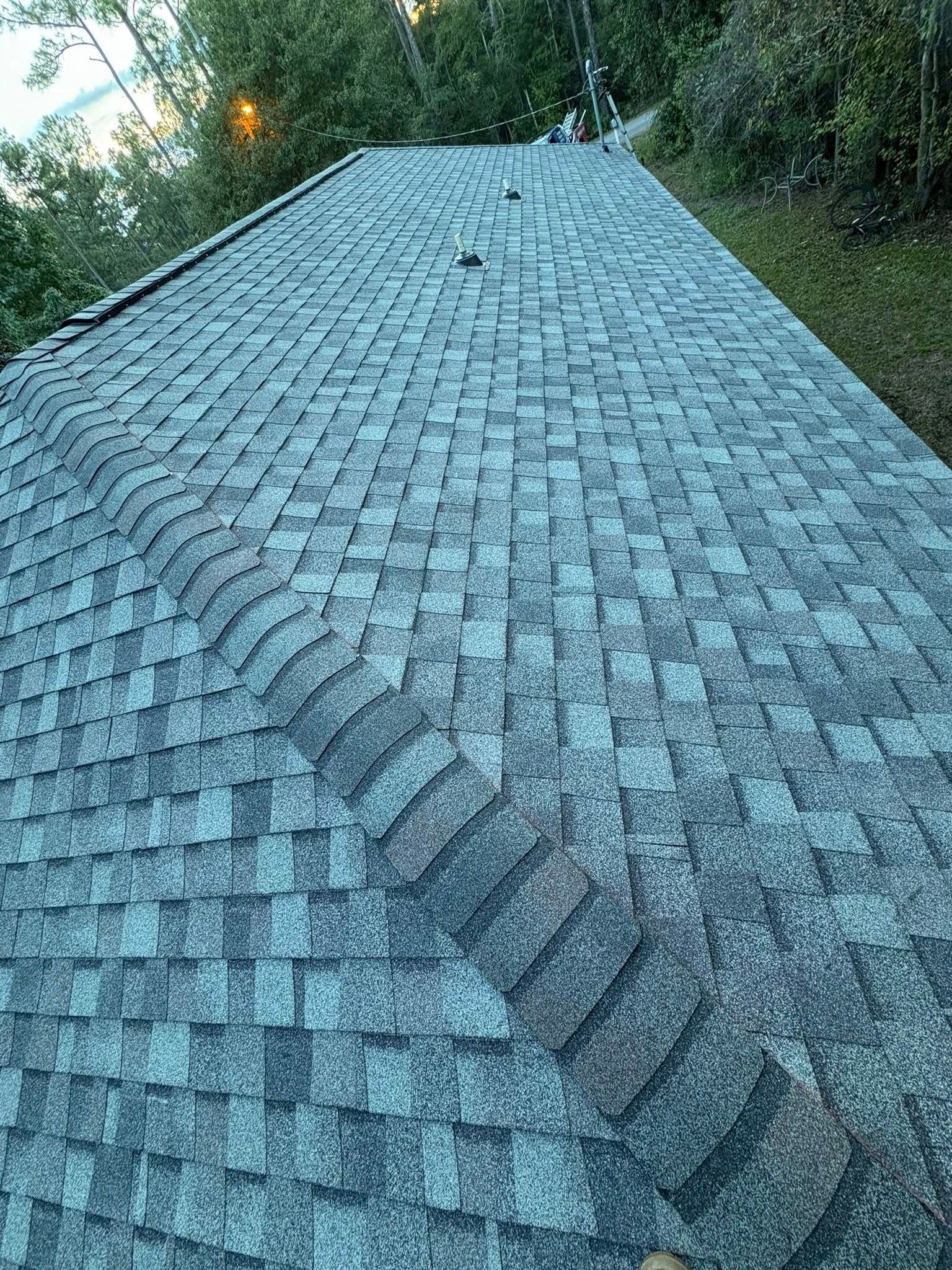
Hurricanes and severe windstorms can cause extensive roof damage, leaving property owners facing urgent repair decisions. From missing shingles and structural weaknesses to hidden water intrusion, the aftermath of a storm often demands immediate attention. In these high-pressure situations, choosing the right contractor becomes one of the most critical steps in restoring safety, protecting property value, and preventing further damage. A rushed or uninformed decision can lead to poor workmanship, inflated costs, or incomplete repairs that create long-term issues.
The roofing industry sees a surge of contractors following major storms, making it challenging to distinguish qualified professionals from opportunistic providers. This makes careful evaluation essential, even when time is limited. Selecting a contractor with proven expertise, proper credentials, and a commitment to quality ensures that repairs are handled correctly the first time. By understanding what to look for and how to assess options, property owners can confidently navigate the repair process. This guide provides practical insights and expert guidance to help make informed decisions when choosing a contractor for hurricane and wind damage roof repairs.
4. Navigating Insurance Claims and Documentation
Working with Insurance Providers
Storm damage repairs often involve insurance claims, which can be complex and time-sensitive. A knowledgeable contractor assists in documenting damage, providing detailed reports, and communicating with insurance adjusters. This support streamlines the claims process and increases the likelihood of fair compensation.
Accurate documentation includes photographs, inspection reports, and repair estimates. These records serve as evidence for claims and help avoid disputes with insurers.
Avoiding Fraud and Misrepresentation
Unfortunately, storm events attract fraudulent practices, including contractors offering to handle claims in exchange for inflated repair costs. It is essential to maintain transparency and avoid any agreements that involve misleading insurers. Ethical contractors prioritize integrity and compliance with regulations.
Coordinating Repairs with Claim Approval
Timing is critical when coordinating repairs with insurance approvals. Starting work prematurely without authorization can lead to reimbursement issues. A reliable contractor ensures that all approvals are secured before proceeding, minimizing financial risks for property owners.
5. Ensuring Quality Workmanship and Long-Term Protection
Use of High-Quality Materials
The durability of roof repairs depends heavily on material quality. Contractors should recommend materials designed to withstand high winds, heavy rain, and impact from debris. Options such as impact-resistant shingles and reinforced underlayment enhance resilience and extend roof lifespan.
Quality materials not only improve performance but also reduce maintenance needs over time. Investing in superior products results in long-term savings and increased property value.
Adherence to Industry Standards
Proper installation techniques are essential for effective repairs. This includes correct fastening methods, sealing practices, and alignment of roofing components. Contractors must follow industry standards and local building codes to ensure safety and compliance.
Regular inspections during the repair process help maintain quality control. Professional contractors implement systematic checks to verify that each stage meets required standards.
Post-Repair Inspection and Maintenance
Completion of repairs does not mark the end of the process. A thorough post-repair inspection ensures that all work meets expectations and addresses any remaining concerns. Contractors should provide guidance on maintenance practices to preserve roof integrity.
Routine maintenance, such as clearing debris and inspecting vulnerable areas, helps identify issues early and prevents costly repairs in the future. Establishing a maintenance plan contributes to long-term protection against storm damage.
6. Building a Long-Term Relationship with a Contractor
Importance of Ongoing Support
Selecting a contractor is not just about a single repair project. Building a long-term relationship provides ongoing support for maintenance, inspections, and future upgrades. Familiarity with the property allows contractors to identify patterns and recommend proactive solutions.
Trust and Communication
Clear communication fosters trust and ensures alignment throughout the project. Contractors should provide regular updates, address concerns promptly, and maintain transparency at every stage. Open communication reduces misunderstandings and enhances overall satisfaction.
Value of Preventive Strategies
Preventive measures play a crucial role in minimizing future damage. Contractors can recommend upgrades such as improved ventilation, reinforced roofing systems, and enhanced drainage solutions. These strategies strengthen the roof’s resilience and reduce vulnerability to extreme weather conditions.
Choosing the right contractor for hurricane and wind damage roof repairs is a decision that directly impacts safety, durability, and long-term property value. From understanding the nature of storm damage to evaluating credentials, contracts, and workmanship, every step requires careful consideration. A qualified contractor brings expertise, transparency, and reliability, ensuring that repairs are completed efficiently and effectively.
Prioritizing quality over cost, verifying credentials, and maintaining clear communication are essential practices that lead to successful outcomes. By taking a structured and informed approach, property owners can navigate the complexities of storm damage repairs with confidence. The right contractor not only restores the roof but also reinforces protection against future weather events, providing peace of mind and lasting security.
Dependable Roofing Professionals Focused on Long-Term Structural Integrity
When it comes to dependable roofing solutions after severe storms, Defender Roofing stands as a trusted authority in the industry. As a dedicated roofing contractor based in Pace, Florida, we bring over 10 years of hands-on experience in handling hurricane and wind damage repairs with precision and care. Our approach focuses on delivering durable, high-quality results that protect properties from future weather challenges while maintaining structural integrity and visual appeal.
We prioritize thorough inspections, transparent communication, and tailored repair strategies that address both visible and hidden damage. By combining industry expertise with advanced materials and proven techniques, we ensure that every project meets the highest standards of safety and performance. Our commitment extends beyond immediate repairs, emphasizing long-term protection and customer satisfaction.
With a strong reputation built on reliability and professionalism, we continue to provide solutions that property owners can trust. Whether addressing minor damage or extensive storm impact, our goal is to restore confidence and deliver roofing systems that stand strong against the elements.
1. Understanding Hurricane and Wind Damage
Types of Roof Damage Caused by Storms
Hurricanes and high winds can affect roofing systems in multiple ways, depending on the intensity of the storm and the condition of the structure. Common issues include lifted or missing shingles, damaged flashing, punctures from flying debris, and compromised underlayment. In severe cases, structural elements such as decking and trusses may also be affected. These damages are not always visible from the ground, which makes professional inspection essential.
Wind-driven rain is another major concern. Even if shingles appear intact, water can seep beneath them, leading to moisture buildup, mold growth, and insulation damage. Over time, these hidden issues can weaken the roof’s integrity and increase repair costs if left unaddressed.
Why Immediate Action Matters
Delaying repairs after a storm can worsen the extent of damage. Small vulnerabilities quickly escalate when exposed to ongoing weather conditions. Prompt action not only prevents further deterioration but also helps preserve insurance claim validity. Many policies require timely reporting and documentation, making it important to engage a contractor who understands these processes.
2. Key Qualities of a Reliable Roofing Contractor
Licensing, Insurance, and Certifications
A qualified contractor must hold proper licensing in the operating region. Licensing demonstrates compliance with local building codes and industry standards. Insurance coverage, including liability and workers’ compensation, protects both the property owner and workers during the repair process. Without adequate coverage, property owners may face financial risks in the event of accidents or damages.
Certifications from roofing manufacturers or industry organizations further indicate a contractor’s expertise. These credentials often require ongoing training and adherence to strict quality standards, ensuring up-to-date knowledge of best practices.
Experience in Storm Damage Repairs
Not all roofing experience is equal. Contractors specializing in hurricane and wind damage repairs bring a deeper understanding of storm-related issues. This includes identifying hidden damage, recommending durable materials, and implementing techniques designed to withstand future storms. Experienced professionals also navigate complex repair scenarios, such as partial replacements or structural reinforcements, with greater accuracy.
Strong Reputation and Reviews
Reputation serves as a reliable indicator of quality. Online reviews, testimonials, and referrals provide insights into a contractor’s reliability, workmanship, and customer service. Consistently positive feedback reflects a history of successful projects and satisfied clients. It is advisable to review multiple sources to ensure a balanced perspective.
3. Evaluating Estimates and Contracts
Transparent Pricing and Detailed Proposals
A professional contractor provides a clear, itemized estimate outlining labor, materials, timelines, and potential contingencies. Transparency eliminates confusion and prevents unexpected costs. Vague or overly simplified quotes often signal a lack of professionalism or hidden charges.
Detailed proposals also help compare multiple contractors effectively. By analyzing scope and pricing side by side, property owners can make informed decisions based on value rather than cost alone.
Avoiding Common Red Flags
Certain warning signs should not be ignored. These include unusually low bids, pressure to sign contracts immediately, and requests for large upfront payments. Such practices may indicate inexperience or unethical behavior. A reputable contractor maintains clear communication, answers questions thoroughly, and allows sufficient time for decision-making.
Another red flag is the absence of a written contract. Verbal agreements lack accountability and can lead to disputes. A comprehensive contract should include project scope, payment terms, warranty details, and timelines.
Understanding Warranties and Guarantees
Warranties play a critical role in protecting the investment. Contractors typically offer workmanship warranties, while manufacturers provide material warranties. Understanding the terms and coverage of each ensures clarity in case of future issues. Reliable contractors stand behind work and provide written documentation for all guarantees.