Assessing Roof Damage After a Storm: What Homeowners Should Check First

March 18, 2026

Severe weather events can leave homeowners with significant damage to their property, and the roof is often the most vulnerable component. Storms, whether they involve high winds, heavy rain, hail, or lightning, can compromise a roof’s integrity in ways that may not be immediately visible. Identifying roof damage promptly is critical to preventing further structural issues, water infiltration, and costly repairs down the line. A thorough post-storm assessment helps homeowners prioritize repairs, work effectively with insurance companies, and ensure the safety of everyone in the household. Beyond immediate physical damage, delayed detection can lead to hidden problems such as mold growth, weakened roof decking, and compromised insulation, which can affect both the health of occupants and the overall value of the home. Taking a structured, methodical approach ensures that minor issues are addressed before they escalate into major repairs.


However, assessing roof damage requires more than a casual glance. Many homeowners make the mistake of assuming their roof survived a storm simply because no immediate leaks appear inside the home. In reality, subtle signs such as missing shingles, granule loss, or minor cracks can develop into serious problems if left unchecked. Understanding what to look for, knowing where to inspect first, and recognizing potential hazards are essential steps in effective storm damage assessment. Additionally, evaluating roof-related elements such as gutters, vents, flashing, and surrounding trees can reveal damage that isn’t obvious from a simple exterior glance. This guide will walk homeowners through a systematic approach, providing actionable insights, expert reasoning, and practical tips to safeguard both the roof and the overall structure of their home, ensuring long-term protection and peace of mind.

4. Attic and Interior Inspections

Look for Water Stains and Mold

Even if the roof appears intact from the outside, water can infiltrate hidden areas. Inspect the attic for dark stains, wet insulation, or mold growth, which are strong indicators of leaks. Early detection allows for targeted repairs before significant structural damage occurs.

Check for Structural Sagging

Examine rafters, trusses, and decking for sagging or warping. Structural compromise often results from water accumulation or impact damage during a storm. Sagging sections are serious warning signs that require immediate professional assessment.

Monitor for Odors or Mildew

Musty odors in the attic or upper floors can indicate hidden moisture. Persistent dampness encourages mold and mildew growth, which can spread quickly if left untreated. Homeowners should address these issues promptly to maintain indoor air quality and structural integrity.

5. Additional Storm-Related Damage

Inspect Skylights and Windows

Skylights and roof-mounted windows are prone to leaks during storms. Check for cracked glass, broken seals, or water streaks along the edges. Damaged skylights can compromise both insulation and water resistance, leading to interior damage.

Evaluate Roof Ventilation and Exhaust Systems

High winds and debris can damage roof vents, exhaust pipes, and HVAC protrusions. Blocked or broken vents affect airflow and can increase attic moisture, accelerating roof deterioration. Regular inspection after storms ensures proper ventilation and extends the roof’s lifespan.

Assess Surrounding Trees and Landscaping

Fallen branches or uprooted trees can puncture roofs or damage gutters. Examine the surrounding property for potential hazards that may cause secondary damage. Trim overhanging branches and remove debris to minimize future storm-related risks.

6. When to Call a Professional

Signs You Need Expert Help

While homeowners can perform initial inspections, certain damage requires professional assessment. Large leaks, extensive shingle loss, structural sagging, or significant granule erosion are all signs that a licensed roofing contractor should be called. Professionals have the training, equipment, and experience to identify subtle damage that could lead to severe consequences if ignored.

Working With Insurance

Professional documentation of roof damage often strengthens insurance claims. Roofing experts can provide detailed reports, photographs, and cost estimates, ensuring that repair or replacement claims are processed efficiently. Insurance adjusters typically rely on contractor assessments for comprehensive evaluation.

Benefits of Early Intervention

Engaging a professional early prevents minor issues from escalating into major repairs. Timely repairs can extend the roof’s lifespan, protect home interiors, and save homeowners significant expenses in the long run. Trusted contractors can also provide maintenance guidance to reduce future storm-related damage.

7. Preventive Measures for Future Storms

Routine Roof Maintenance

Regular maintenance, including cleaning gutters, checking shingles, and inspecting flashing, reduces vulnerability to storm damage. Routine upkeep helps identify wear and tear before it becomes a major problem.

Reinforce Vulnerable Areas

Homeowners in storm-prone areas can invest in impact-resistant shingles, reinforced flashing, and storm straps. These upgrades improve durability and reduce the likelihood of wind or hail damage.

Keep Emergency Supplies Handy

Having tarps, ladders, and basic repair tools on hand can help mitigate immediate damage after a storm. Quick action, such as covering exposed areas, prevents water infiltration and further deterioration while waiting for professional repair.

Comprehensive Roof Protection Advice from Defender Roofing Specialists

Storms can leave lasting effects on a home’s roof, and early assessment is key to protecting the structure and ensuring safety. By carefully inspecting shingles, flashing, gutters, vents, and the attic, homeowners can identify damage before it escalates. Documenting visible damage, addressing water infiltration, and calling professionals for serious issues ensures timely repairs, extends roof lifespan, and minimizes repair costs. Preventive maintenance and reinforcement strategies further enhance resilience against future storms, providing peace of mind and preserving property value.


Defender Roofing, based in Pace, Florida, has over 10 years of experience as a trusted roofing contractor. Our team specializes in storm damage assessment, roof repair, and preventative maintenance, providing homeowners with expert guidance and reliable service. We combine thorough inspections with high-quality materials and proven repair techniques to ensure every roof we work on meets the highest standards of safety and durability. With a commitment to transparency, professionalism, and customer satisfaction, Defender Roofing stands as a dependable partner for protecting your home against storm-related roof damage. From immediate storm assessments to long-term maintenance solutions, our expertise ensures homeowners receive efficient, lasting results.

1. Initial Safety Precautions Before Inspecting

Avoid Risky Climbing

The first and most important consideration after a storm is safety. Roofs can become extremely hazardous due to loose shingles, weakened structures, or slippery surfaces caused by rain, hail, or debris. Homeowners should never climb onto a roof immediately after a storm unless they are trained and equipped with proper safety gear. Using a stable ladder, non-slip shoes, and a safety harness is mandatory for anyone attempting a rooftop inspection.

Assess from the Ground

A safer initial approach is to perform a visual assessment from the ground. Binoculars can help identify visible damage such as missing shingles, large cracks, or fallen branches. Homeowners should look for irregularities in the roofline, sagging areas, and accumulation of debris, all of which may indicate structural compromise.

Document for Insurance Purposes

Before touching or moving anything, document visible damage. Photographs from multiple angles and videos provide valuable evidence for insurance claims. Include close-ups of damaged areas and wider shots to show context. This documentation will help support repair requests and provide a reference for contractors during evaluation.

2. Shingles and Roof Covering Inspection

Identify Missing or Loose Shingles

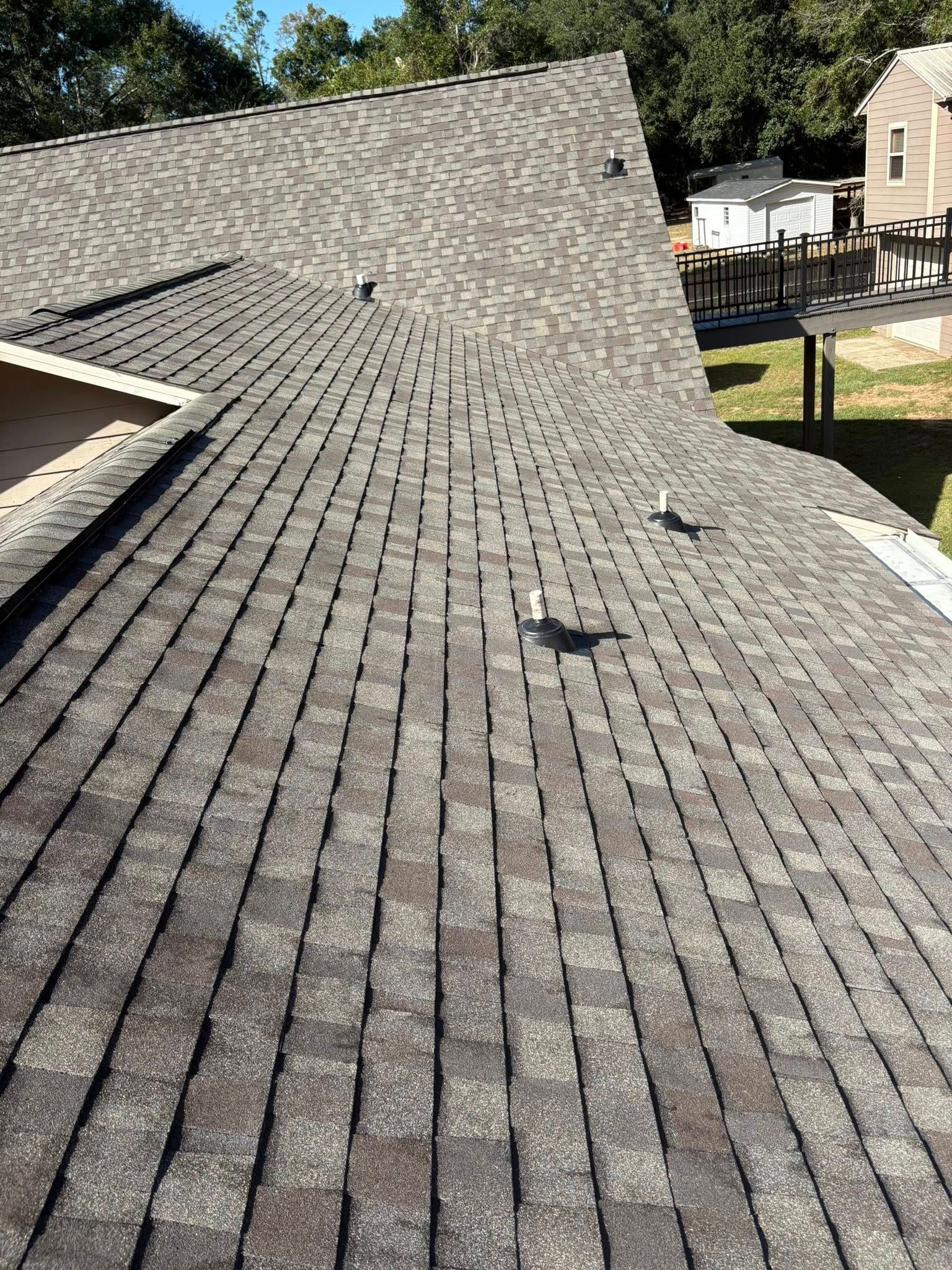
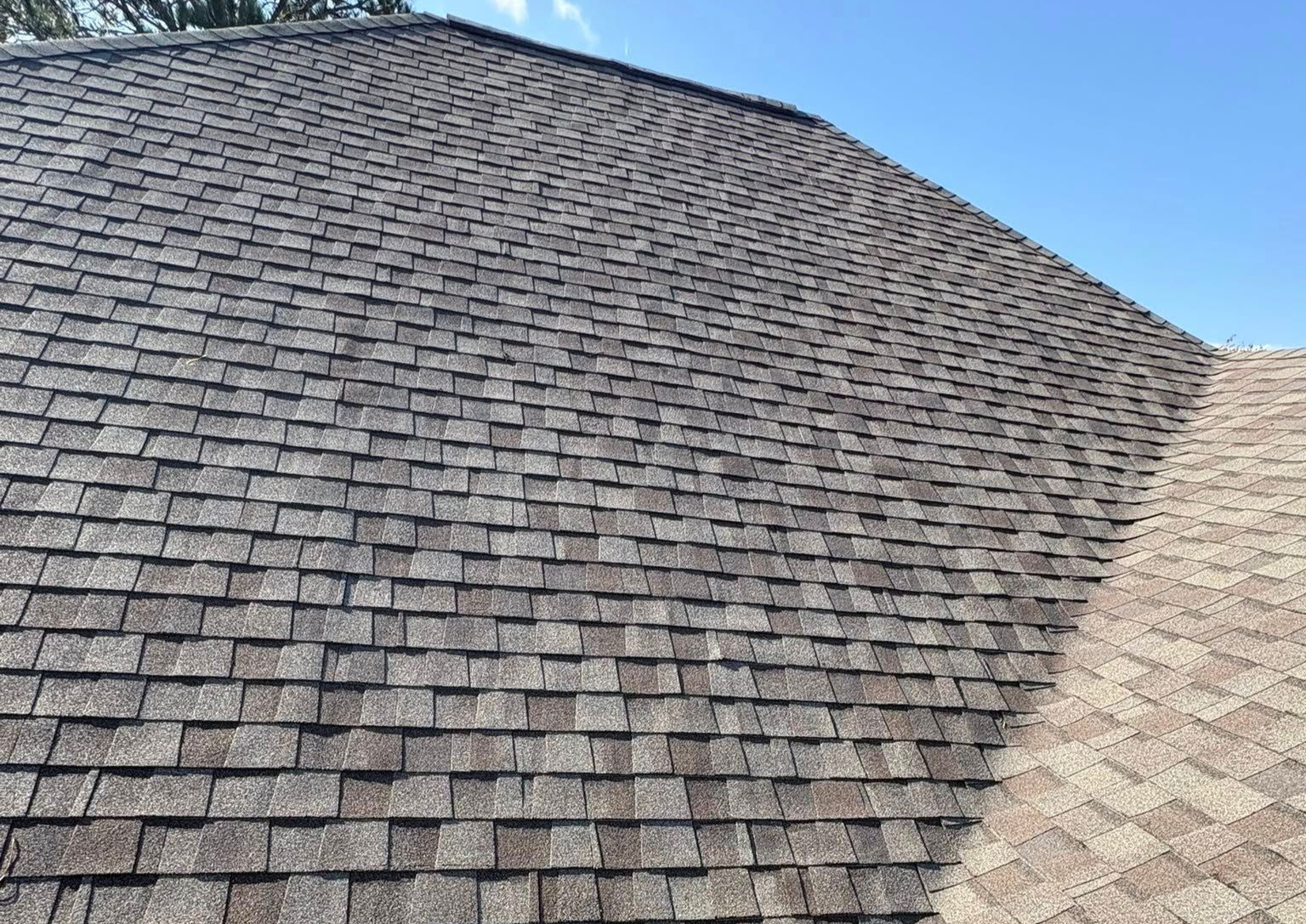
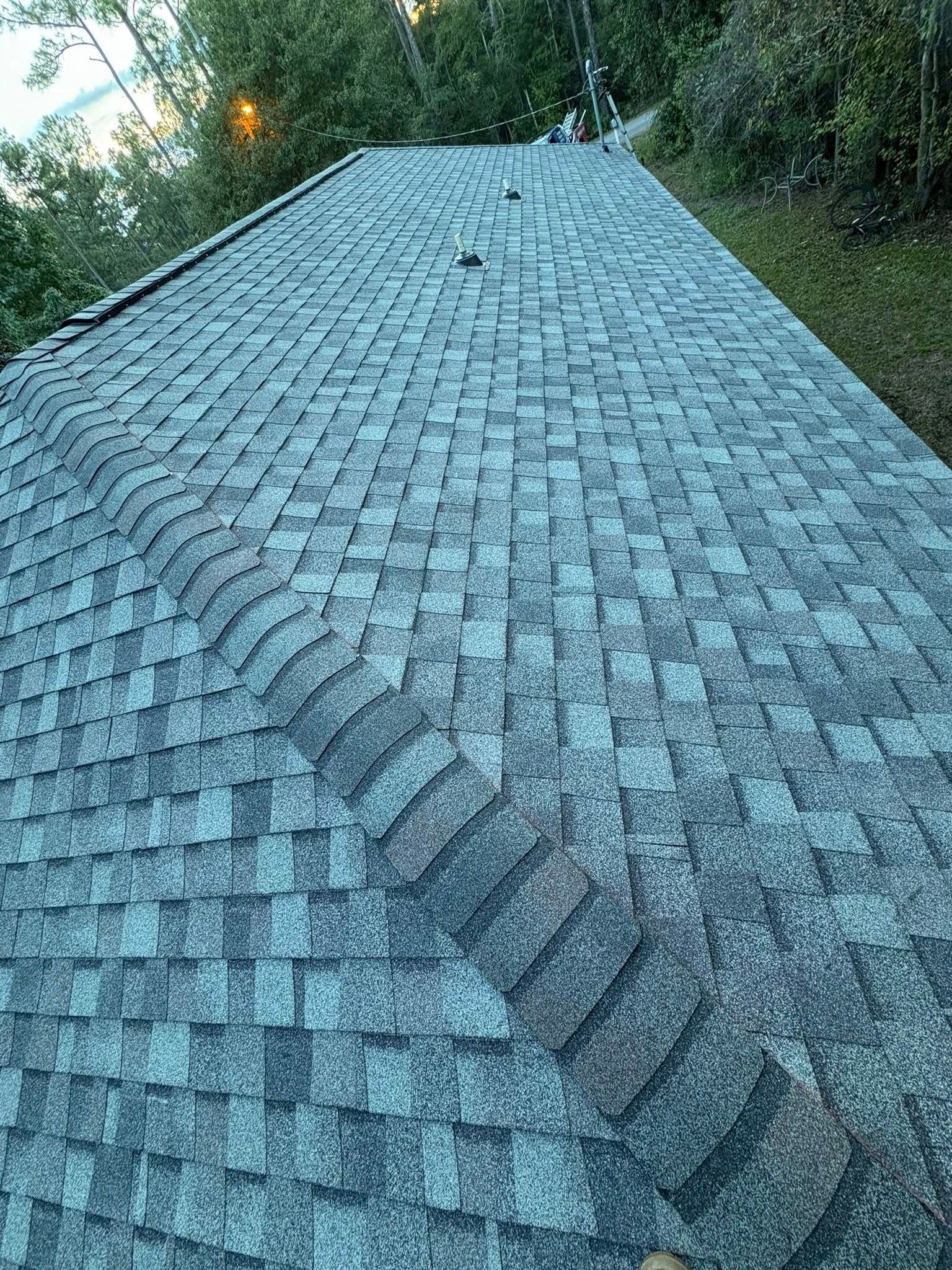
Shingles are the first line of defense against the elements. High winds can lift, crack, or remove shingles entirely. During an inspection, homeowners should carefully note areas where shingles are missing, curled, or broken. Missing shingles expose the underlying roof deck to water penetration and accelerated deterioration.

Check for Granule Loss

Asphalt shingles are coated with granules that protect against UV rays and provide durability. Heavy hail or strong winds can strip these granules, often leaving bald spots on the roof surface. Granule loss not only reduces the lifespan of the shingles but also indicates potential vulnerabilities that could lead to leaks.

Inspect for Cracks or Punctures

Hail storms can puncture shingles or metal roofing materials, compromising their waterproofing capabilities. Look for small cracks, indentations, or splits. Even minor punctures can allow water to infiltrate, so documenting these early signs is crucial for timely repair.

Examine Flashing and Roof Edges

Flashing around chimneys, skylights, and vents is prone to damage during storms. Loose or bent flashing can create gaps where water penetrates. Roof edges, especially eaves and valleys, are also vulnerable to wind uplift and debris impact. A detailed inspection of these areas helps prevent leaks and structural damage.

3. Gutters, Downspouts, and Water Management

Clear Debris from Gutters

Storms often deposit branches, leaves, and other debris into gutters and downspouts, which can cause blockages. Clogged gutters prevent proper water drainage and can lead to water pooling on the roof or foundation. Homeowners should carefully remove debris to maintain water flow.

Check for Damaged Gutters

Heavy rain or flying debris can bend, detach, or puncture gutters and downspouts. Inspect these components for dents, misalignment, or sagging sections that may require professional repair. Damaged gutters can exacerbate roof leaks and water damage in the attic or walls.

Look for Water Backup Signs

Inspect the roofline for water overflow during the storm or pooling around the foundation. Stains on fascia boards or damp spots along the roof edge indicate water is not being properly directed away from the home. Timely action in these areas prevents further water-related damage.

Dark gray asphalt shingle roof on a house with vents.
February 24, 2026
A roof is more than a structural component; it is a property’s first line of defense against weather, environmental stress, and long-term deterioration. When a roof reaches the end of its service life, replacement becomes a critical investment rather than a routine maintenance task.
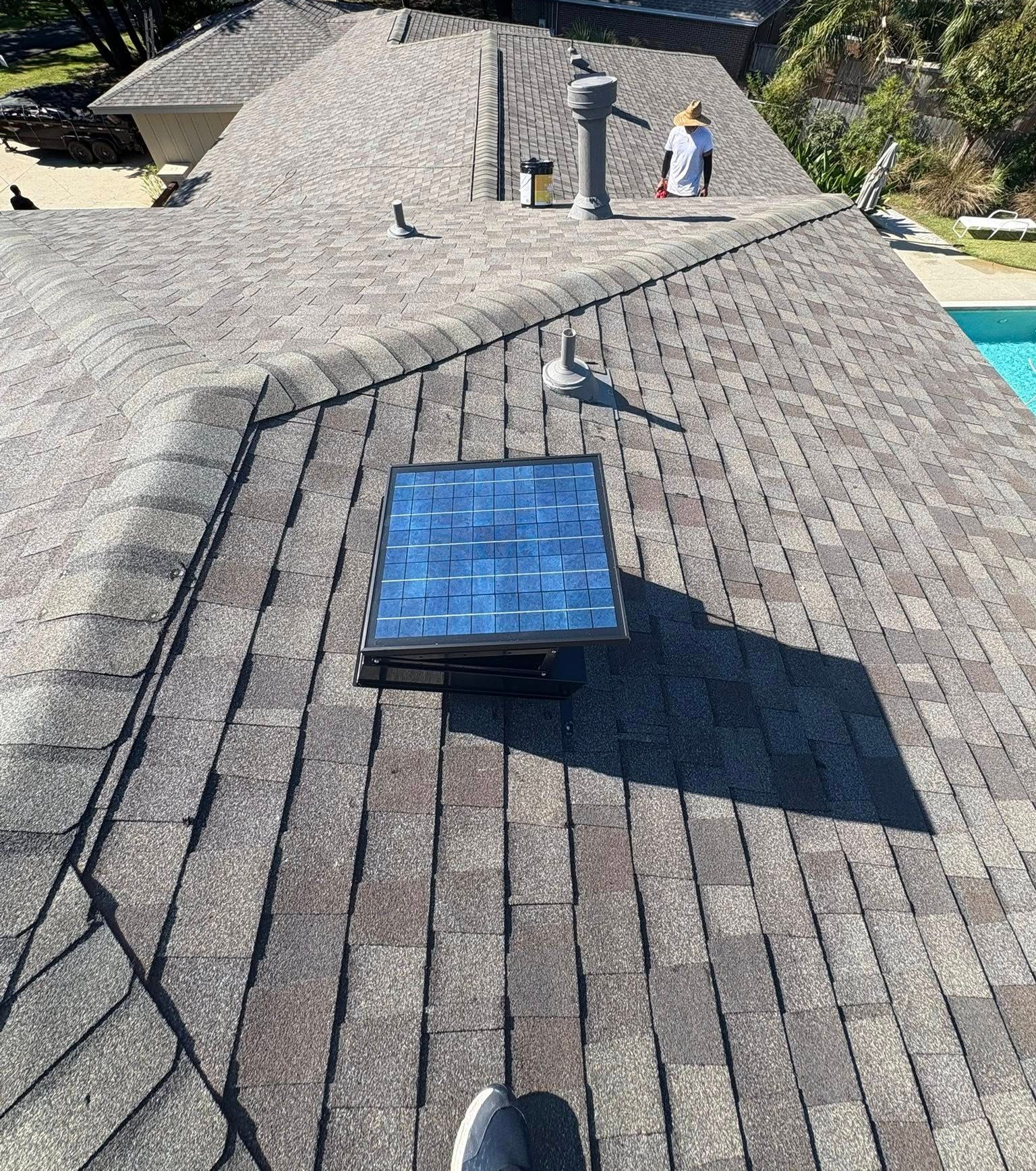
A rooftop with dark gray shingles, a solar panel, and a person in white clothing.
January 30, 2026
Your roof is one of the most critical components of your home, yet it is often the most overlooked until a serious problem arises.
Dark gray asphalt shingle roof on a house with vents.
February 24, 2026
A roof is more than a structural component; it is a property’s first line of defense against weather, environmental stress, and long-term deterioration. When a roof reaches the end of its service life, replacement becomes a critical investment rather than a routine maintenance task.
A rooftop with dark gray shingles, a solar panel, and a person in white clothing.
January 30, 2026
Your roof is one of the most critical components of your home, yet it is often the most overlooked until a serious problem arises.